
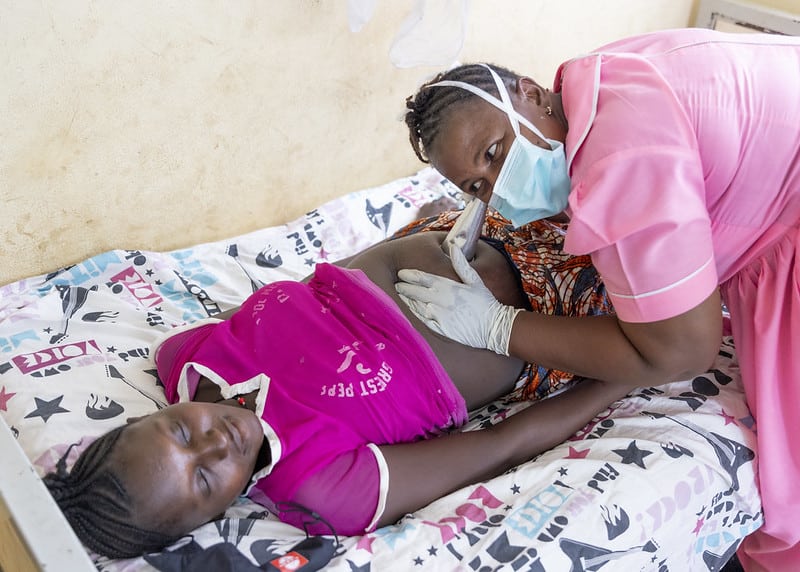
New Evidence-based Brief Informs SBC to Reduce Malaria in Pregnancy
Social and behavior change can encourage early prenatal care and prevention measures, keys in reducing a mother’s risk of malaria.
Social and behavior change can encourage early prenatal care and prevention measures, keys in reducing a mother’s risk of malaria.
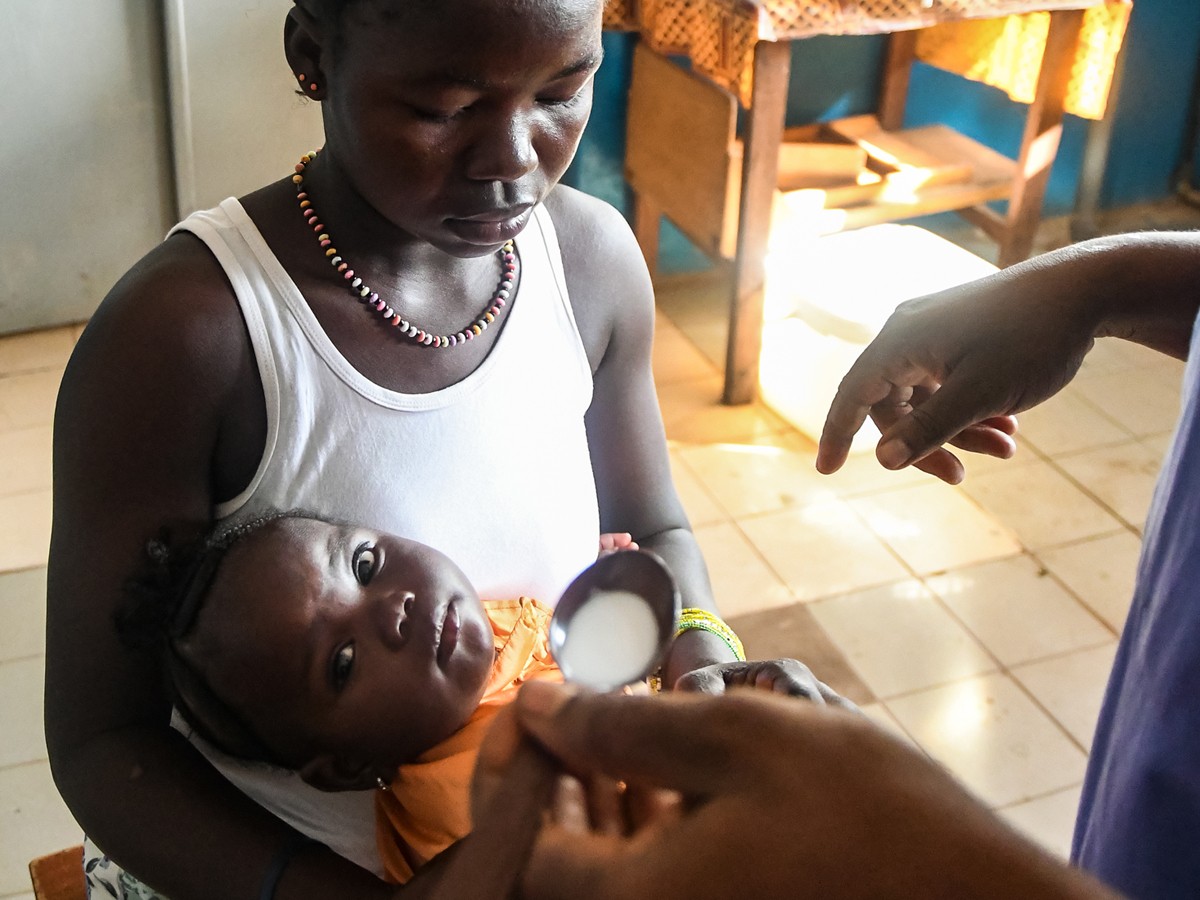
CCP researchers are investigating whether herbalists and others can work with the health system to help people get treatment for fever and prevent more serious malaria complications.

During COVID-19 pandemic, CCP led a social media campaign in Malawi using influencers to share messages about vaccination. Results were mixed.

To remove some of the stigma associated with menstruation in the workplace, CCP is conducting a menstrual health and hygiene program in Kenya
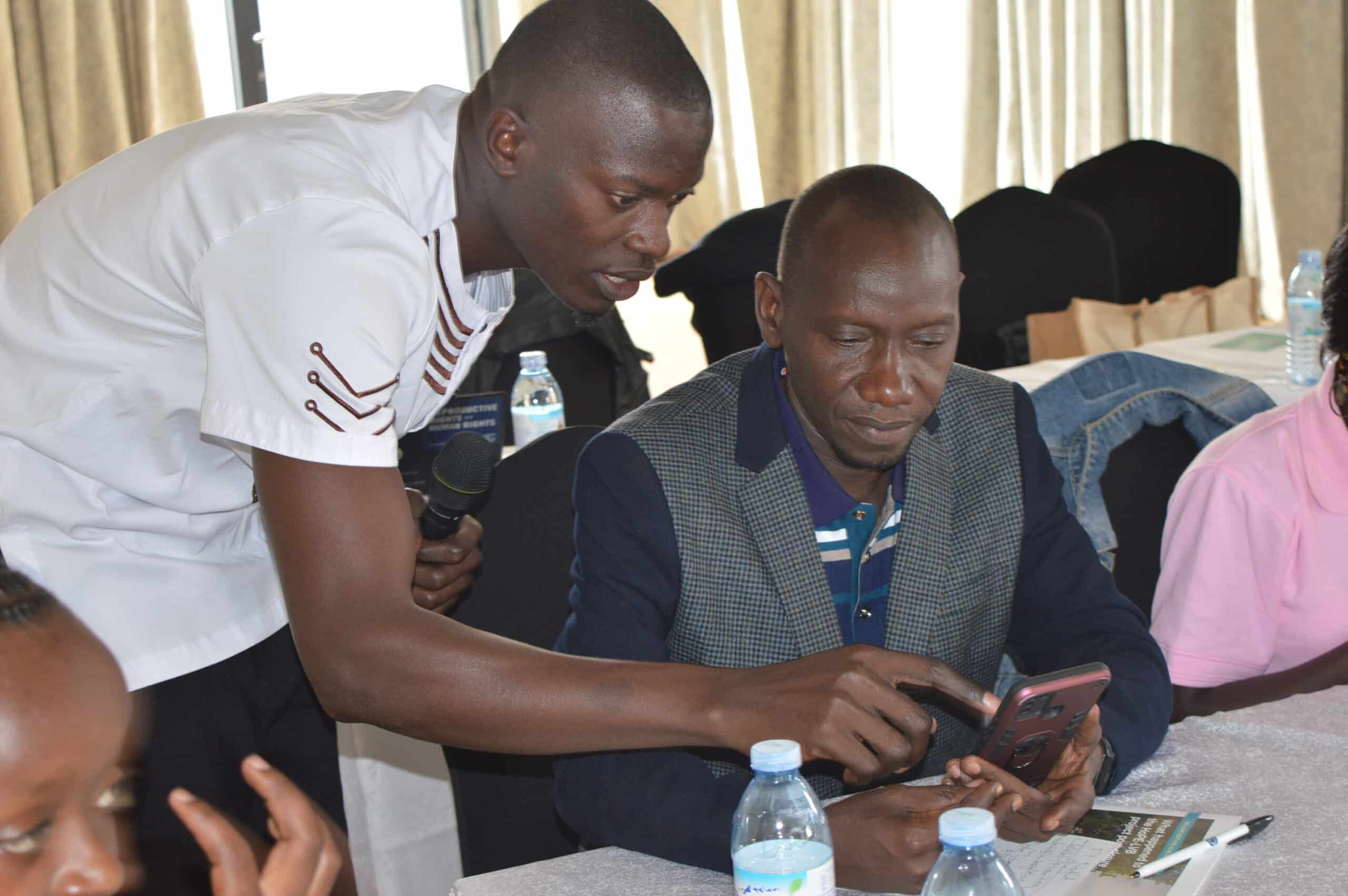
The platform was designed for family planning and reproductive health professionals to find, share, and organize resources for their work.
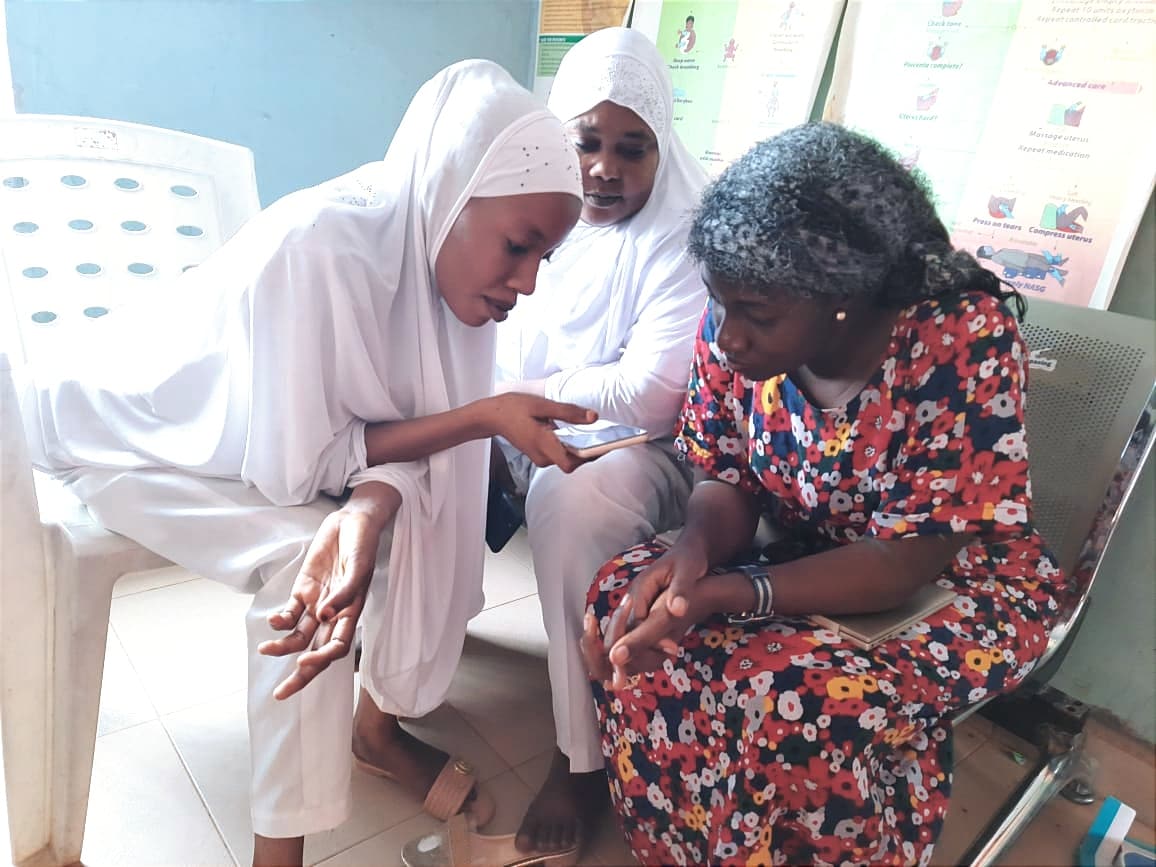
More than a million Nigerians have played two interactive new games developed by the CCP-led Breakthrough ACTION-Nigeria project since March 2020.
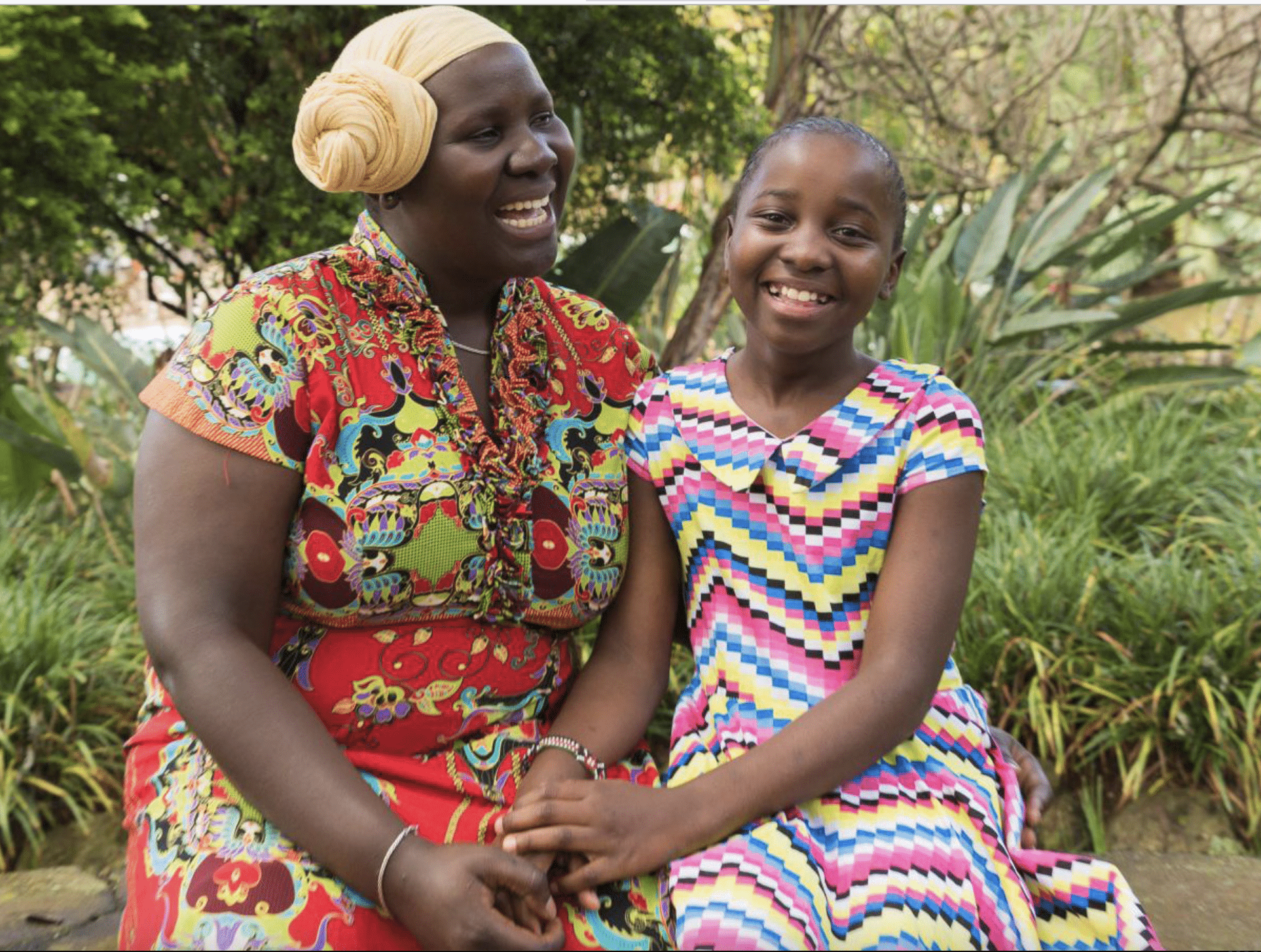
WHO has set a goal that 90 percent of girls 15 and under worldwide are fully vaccinated against HPV by 2030. Can it happen?

In Indonesia, CCP and its partners created a comprehensive package of interventions for young adolescents to prevent gender-based bullying

The key to a successful KM program, we have learned, is to never sit on our laurels. We are continuously developing new, creative, and inclusive ways to improve this very important work.
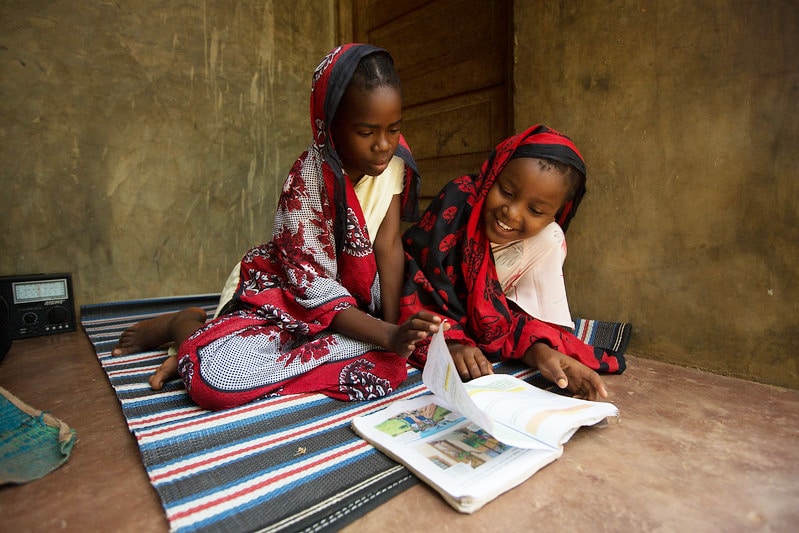
New CCP research suggests that broader, more systematic tools are needed to understand factors that influence behavior in low malaria settings.
Receive the latest news and updates, tools, events and job postings in your inbox every month