On Friday, July 30, the BRIDGE II Project launched the “Tasankha” (Our Choice) mass media campaign at a ceremony held at the Mbulumbudzi Trading Center, in the Traditional Authority Mpama in Chiradzulu District. The “Tasankha” campaign is a multimedia effort under the BRIDGE II Project that seeks to address concurrent and multiple partnerships, one of the key drivers of new HIV infections in Malawi, by promoting family values and positive behavioral choices.
The “Tasakha” campaign is built around three interrelated phases: the first focuses on family values; the second on risk perception; and the third phase will address risk reduction.
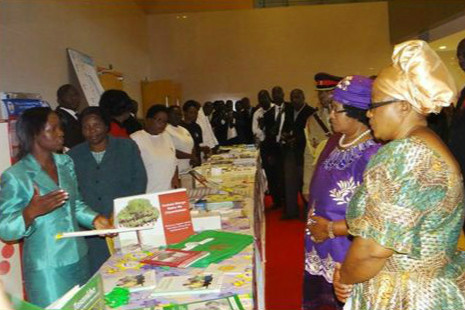
The launch was attended by Dr. Mary Shawa, the Principal Secretary in the Office of President and Cabinet responsible for HIV/AIDS and Nutrition, Mr. Emmanuel Bulukutu, the Acting District Commissioner for Chiradzulu, local leaders and other district officials, and representatives of various national HIV implementing organizations and media.
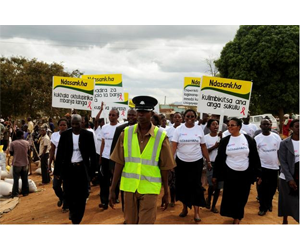
Dr. Shawa inaugurated the campaign by leading a parade that featured campaign posters and songs. She commended the BRIDGE Project for creating a people-centered campaign that uses innovative approaches to change behaviors, and she challenged the audience, in light of the campaign messages, to reflect on the choices they make in their lives.
BRIDGE II is a USAID-funded five-year strategic, evidence-based communication program that encourages Malawians in 11 districts in the southern region of Malawi to adopt behaviors that prevent HIV transmission.